
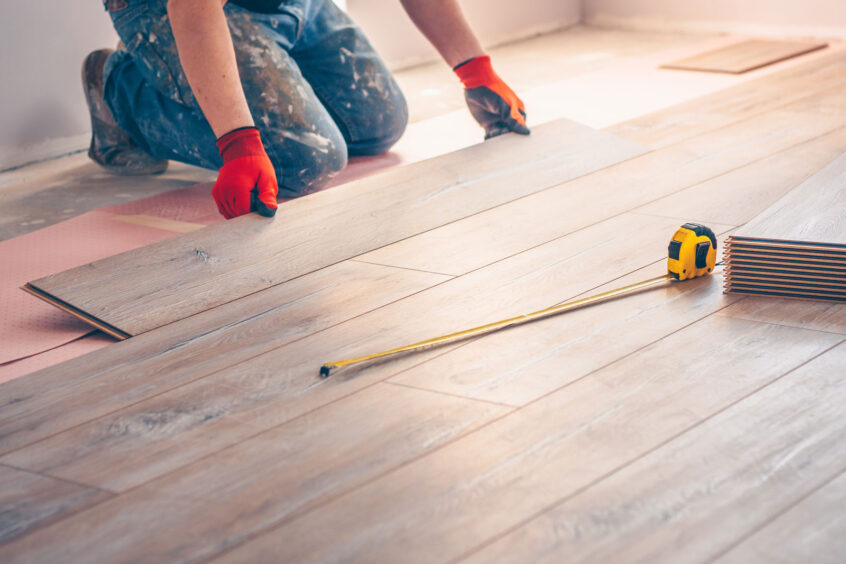
Picking new flooring can be a very impactful home improvement decision. The right surface enhances the look of your home, promotes your daily comfort, elevates your interior design, and improves overall property value. However, no single flooring material works perfectly in every single room.
Each area of your house might require different flooring materials, depending on the use and foot traffic. Understanding which material performs best in specific conditions will help you make the right investment that lasts for years. Here is your definitive guide to selecting the best flooring for every room in your home.
Why Choosing the Right Flooring Matters
Flooring serves as the literal foundation of your interior space. It endures daily wear and tear, direct impacts, spills, and foot traffic. Selecting the wrong material for a specific space can have some serious consequences, such as premature damage, expensive repairs, and safety hazards. Choosing the right material will give you long-term durability, easy maintenance, and maximum return on investment. So here’s what you need to consider before selecting flooring:
Factors to Consider Before Selecting Flooring
Before committing to a material, evaluate the environmental conditions and physical demands of each room.
Room Usage and Foot Traffic
High-traffic zones require tough, scratch-resistant materials that handle constant movement. Low-traffic areas allow for softer, more comfortable materials.
Moisture and Humidity Levels
Bathrooms, kitchens, and basements face standing water or high humidity. Waterproof or highly water-resistant materials are non-negotiable in these spaces.
Maintenance Requirements
Consider how much time you want to spend sweeping, mopping, or sealing floors. Some surfaces require regular refinishing, while others only need a quick sweep.
Budget and Long-Term Value
Factor in both the initial product cost and installation expenses. Cheaper materials may require replacement sooner, whereas premium options last decades.
Style and Home Design
Your flooring should complement your home’s architectural style and overall colour scheme. Seamless transitions between rooms create an open, cohesive flow.
Best Flooring for the Living Room
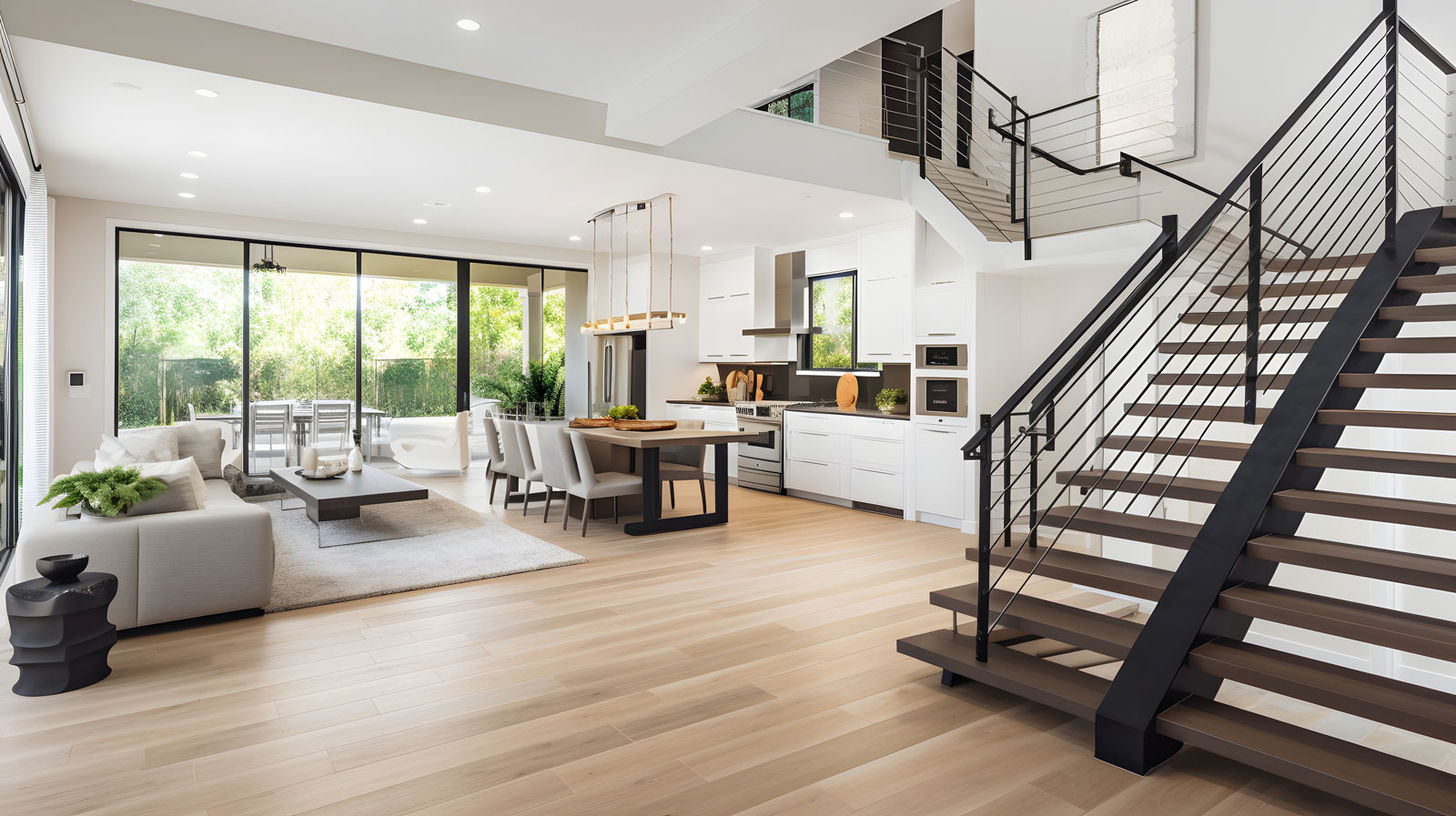
Top Choice: Solid Hardwood or Luxury Vinyl Plank (LVP)
Living rooms are central gathering spaces where aesthetics and comfort take priority. Solid hardwood delivers timeless warmth, exceptional beauty, and long-term resale value. It can be refinished multiple times over its lifespan.
If you have active pets or children, Luxury Vinyl Plank (LVP) provides a realistic wood-like appearance while being scratch-resistant and easy to clean.
Best Flooring for the Kitchen
Top Choice: Porcelain Tile or Water-Resistant LVP
Kitchens endure heavy foot traffic, dropped utensils, and frequent liquid spills. Porcelain tile is dense, highly stain-resistant, and nearly impossible to scratch. It cleans easily and handles hot spills without issue.
LVP is another excellent alternative because it offers a softer feel underfoot during long periods of cooking while remaining fully waterproof.
Best Flooring for Bathrooms
Top Choice: Ceramic or Porcelain Tile
Bathrooms feature high humidity, steam, and direct standing water. Porcelain and ceramic tile reign supreme here due to their waterproof properties and long-lasting durability. They prevent moisture from penetrating into subfloors, preventing mold growth and structural decay. Pair them with textured finishes to prevent slipping when wet.
Best Flooring for Bedrooms
Top Choice: Hardwood or Carpet
Bedrooms demand warmth, comfort, and noise reduction. Hardwood floors paired with area rugs offer a clean, hypoallergenic environment that looks sophisticated. For those who prefer plush comfort directly underfoot every morning, high-quality wall-to-wall carpeting remains a soft, cozy choice that insulates against sound.
Best Flooring for Basements
Top Choice: Luxury Vinyl Plank (LVP) or Engineered Vinyl Tile
Basements are prone to ground moisture, concrete humidity, and occasional flooding risks. Avoid solid hardwood here, as natural wood absorbs moisture and buckles. LVP is completely waterproof, handles climate fluctuations well, and can be installed directly over properly prepped concrete subfloors.
Best Flooring for Entryways and Mudrooms
Top Choice: Porcelain Tile or Slate Tile
Entryways take a direct beating from dirt, mud, snow, grit, and heavy shoe traffic. Porcelain tile handles heavy abrasion without scratching or showing wear. It wipes clean effortlessly and resists moisture tracked in from outdoor weather.
Best Flooring for Laundry Rooms
Top Choice: Ceramic or Porcelain Tile
Laundry rooms require flooring that withstands vibration, heavy appliances, and potential washing machine leaks. Ceramic and porcelain tiles provide an impenetrable, rigid surface that holds up against chemical detergent spills and standing water.
Comparing Popular Flooring Materials
Understanding the distinct characteristics of each material helps you make an informed decision. So let’s get into it:
Ceramic Tile
Ceramic tile is made from natural clay fired at high temperatures. It offers great durability, easy maintenance, and excellent moisture resistance. It is ideal for indoor applications like walls, kitchen floors, and powder rooms.
Porcelain Tile
Porcelain tile is crafted from finer clay and fired at even higher temperatures than ceramic. This makes it denser, harder, and less porous. It handles heavy foot traffic and extreme moisture effortlessly, making it perfect for main bathrooms and entryways.
Luxury Vinyl Plank (LVP)
LVP features multi-layer construction with a durable wear layer and a printed image layer. It mimics natural wood or stone while offering 100% waterproof performance. It provides soft impact resistance underfoot and resists scratches from pet claws.
Laminate Flooring
Laminate consists of compressed wood fiberboard topped with a high-resolution image layer and a clear protective finish. It offers the look of genuine hardwood at a budget-friendly price point. Modern laminate features improved scratch and moisture resistance, though it should still be kept out of high-water areas.
Hardwood Flooring
Solid hardwood is milled from single pieces of natural lumber like oak, maple, or walnut. It brings unmatched natural elegance and long-term value to living spaces. It can be sanded down and refinished multiple times over its lifetime.
Signs It’s Time to Replace Your Existing Flooring
Floors eventually reach the end of their functional lifecycle. Keeping worn-out surfaces compromises home safety and aesthetic appeal. It is time for a replacement if you notice:
- Persistent squeaking or soft spots in subflooring.
- Deep scratches, gouges, or permanent stains that cannot be buffed out.
- Cracked tiles, crumbling grout lines, or loose planks.
- Buckling, warping, or cupping caused by moisture damage.
- Outdated styles that drag down your home’s total property value.
Ready to upgrade your worn-out surfaces? Learn more about our specialized Flooring Installation options to transform your living space.
Why Professional Flooring Installation Delivers Better Results
Attempting a DIY flooring installation can have many side effects. We don’t recommend DIY for many reasons. Often, DIYing can lead to uneven surfaces, improper expansion gaps, and premature wear. Professional installation guarantees proper installation, moisture control, durability and structural integrity.
- Proper Subfloor Preparation: Professionals assess moisture levels and level out uneven concrete or plywood subfloors before laying material.
- Precision Cutting: Precision cuts around door frames, corners, and plumbing fixtures ensure tight seams and clean transitions.
- Correct Expansion Gaps: Professional installers leave appropriate perimeter gaps to allow materials to expand and contract naturally without buckling.
- Time and Hassle Savings: Skilled technicians handle heavy material removal, prep, and finishing work efficiently.
Need help with other home repairs or subfloor preparation work before installation? Explore our complete range of expert Handyman Services to keep your property in top condition.
Frequently Asked Questions About Choosing Flooring
What is the most durable flooring material available?
Porcelain tile and high-grade Luxury Vinyl Plank (LVP) are the most durable options. Porcelain resists scratches, moisture, and heavy impacts, while LVP offers outstanding waterproofing for homes with active pets and kids.
Can I install hardwood flooring in a basement?
Solid hardwood is not recommended for below-grade basements. Concrete moisture will cause natural wood to swell, warp, and buckle. Use Luxury Vinyl Plank (LVP) instead for a wood-look finish that handles moisture safely.
How long does professional flooring installation take?
Most residential flooring projects take between 1 and 3 days depending on the square footage, room layout complexity, subfloor levelling requirements, and material drying times.
What is the easiest flooring to maintain?
Luxury vinyl plank and porcelain tile are the easiest materials to maintain. Regular sweeping and occasional damp mopping are all that is required to keep them looking clean and new.
